
Good news, Jane and John Q. Public. The recession is finished!
The data sifters announced it yesterday. Their analysis reveals that the recession has been over for more than a year. You may not have noticed it due to all the commotion from businesses closing and distraction of unemployed people with their moaning and complaining, but trust me, the great tumult has passed and Happy Days Are Here Again.
The stock market already knows this. Wall Street has been adjusting its numbers accordingly over the past year, so don’t expect a sudden huge uptick. Larger forces anticipate what small players can’t see happening, I guess.
In short, the most troublesome stretch is finished but today will feel much like yesterday and all the concerns remain. The fundamentals have shifted but nothing is really different.
Kinda like when your child comes of age.
Twenty-one years ago today I witnessed a miracle as my beautiful and brave wife Nancy gave birth to my amazing, wonderful son Gus.
Everyone said having a child would change the world for us.
It did.
Everyone said raising him would be the hardest, most rewarding thing we’ve ever done.
It was.
Everyone said the time would fly and he’d be grown up before we knew it.
It has, and he is.
We could not possibly have imagined how delightful it would be to see him turn 21, or how proud we would be of the smart, funny, caring man he has become. A man! We really didn’t get it back in 1989 that we were dealing with a baby man, even though Everyone Said!
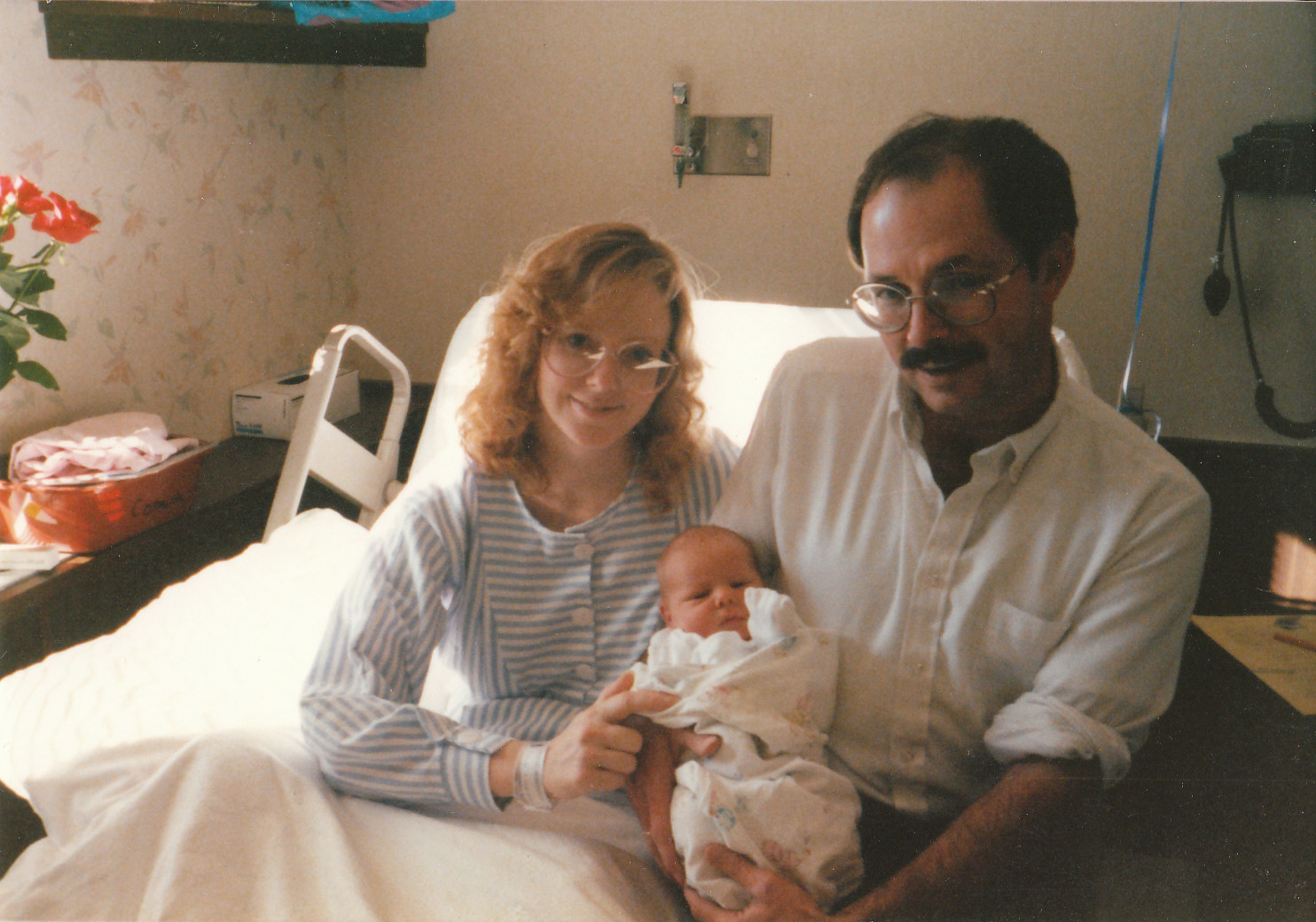
At each stage along the way we assumed the reality of the moment would last forever. At the time I would have said that feeling rose out of exasperation and fatigue, but now I know it was essentially optimistic. We were loving every minute and hoping against change. But change came anyway, and now that it is here it’s cause for celebration.
So starting today, things are in a new phase. The world has shifted again, and yet nothing is different. I feel like I should shave my head as a reminder that we have entered another realm, but wait! Nature has already taken care of that. Larger forces anticipate …
The show goes on and a new act begins!
When has a good change crept up on you?




 Trail Baboon