Dr. Bossy Pants

Today’s guest post is from Renee Boomgaarden.

I have an image problem in my family that I am at a loss to change. I am by nature bossy and controlling. My children learned early on that they ignored my advice and expectations at their peril, not only because they would be in trouble, but because I was usually right.

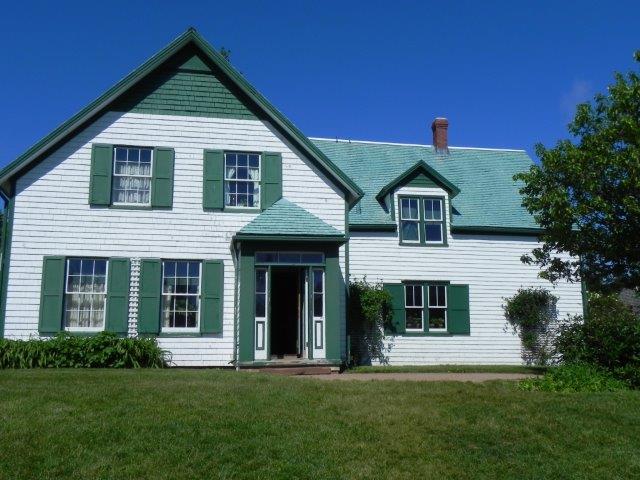
After my son left for college, I knew that he had to make his own decisions, and that I had to back off, only giving advice when he asked. It wasn’t a hard transition for me. He is a sensible guy. He married a sensible wife, and together they do well. It recently became apparent, however, that Son hasn’t caught on to my changed expectations in our relationship. I guess I was supposed to make a formal announcement that he could disagree with me without fear. This misunderstanding came to light last month in Cavendish, Prince Edward Island, on a tour of the house that Lucy Maud Montgomery used as model for Green Gables, home of Marilla Cuthbert, the ultimate old bossy pants.
505

The author of Anne of Green Gables grew up in Cavendish within walking distance of a lovely farm house with green trim. Relatives owned the house, and young Lucy played in the forest glades around the house, turning them in the Haunted Wood and Lover’s Lane in her books. The house has been lovingly maintained. We planned to spend a day in Cavendish exploring the Green Gables site and then hitting the beautiful pink beaches just north of town. I had heard a weather report that rain and clouds were going to move in to the area in the early afternoon. My son had his heart set on the beach. His wife and I were excited about both beach and Green Gables. Husband was happy with whatever we did.

After we had toured the house and the Haunted Wood, I innocently suggested to Son that perhaps we could go to the beach in case rain set in, and then walk the Lover’s Lane trail afterward. He agreed. No one else objected. We piled into the rental car, and then the trouble began. Son caught on that his wife was worried that we wouldn’t make it back to do the Lover’s Lane trail. He got upset at me because of my “insistence” that we go to the beach immediately, and husband started muttering about my “control” issues. Son angrily turned the car around and we went back to walk the trail. I kept saying that it really didn’t matter to me, I just didn’t want people to be disappointed in the beach if it rained. I realized, then, that Son still interpreted suggestions and ideas from me as direct orders, and he felt caught between obeying me and keeping his wife happy. I got really steamed that neither Son nor Husband would believe me, so I walked by myself on the trail while they walked on ahead.

That probably didn’t help the situation.

We managed the rest of the trip through PEI and Cape Breton Island with far less drama. We really did have a great trip, but I am still thinking my way through this image problem. At least now I have a handle on the source of the trouble.

What are some key differences between the way you see yourself, and the way others see you?

My Brief Career as a Gardening Correspondent

Today’s guest post comes from Jim.

I have only had one job where I was paid as a writer. Somehow, about 20 years ago, I got a call from a magazine that covers gardening asking me if I would like to be their regional gardening correspondent for zone 4. It could be that they remembered contacting me a couple of times regarding the collection of spinach seed that I was offering through the Seed Saver’s Exchange. I had done some unpaid articles that were published a few places and was pleased to have the opportunity.

veggies

I was familiar with the job because I was a regular reader of the magazine and had even used tips given by previous zone 4 correspondents. I went right to work providing the same kind of advice that I had received. Actually, if you look at what is published for gardening tips, it seem everyone is stealing from everyone else because they are all saying about the same thing.

There was very little editing of what I wrote and I got almost no feed back. Occasionally I got carried away and put in some of my own rather rambling thoughts on gardening. Things started to change. At first I was published in the magazine. Latter the regional correspondents were left out of the printed magazine and only published online. The editors were in the process of spiffing up their publication and they were moving away from the old approach where the advice from people like me was a regular feature. I think some of those rambling articles I wrote gave them a clue that I wasn’t a very polished writer. They still have regional correspondents in their online publication. I’m not one of them.

It was the magazine’s old folksy approach that appealed to me, but it isn’t surprising that they wanted to go to a more polished style to fit in with all the other glossy magazines on the market. I did run into a couple of people who read what I wrote and liked it, and I talked to one of the old editors who was let go when they changed their style and he thought the old way was better, too.

But he didn’t even recall that I had been a correspondent during the time that he was the editor.

When have you expected someone to remember you, but they didn’t?

Neighborhood Art

Today’s guest post comes from Anna.

I am spoiled. I live in a neighborhood where a library, a good grocery store, a decent bottle of wine and hand-roasted coffee are all within a block or two from my house. A little bit of nature is also nearby in the form of Minnehaha Creek. Folks on the block know each other, watch out for each other, and share in each other’s joys and triumphs. Kids sell lemonade to folks walking their dogs. I love my neighborhood, but I miss one thing from my old digs: art.

Or to be more precise, neighborhood art.

Neighborhood art is a wonderful thing. It’s art created by and for the folks who live in a small geographic area. Anyone can enjoy it, but it is created usually with a purpose – more than just having something visually appealing in a public place. It creates community, it brings neighbors together to talk where they might not have otherwise. The resulting work, whether it is a mural or art park or traveling piece, is almost secondary. It’s a potluck and neighborhood night out rolled together with some paint or sculpture. It’s more than public art, which can be anything from a Paul Granlund sculpture on Nicollet Mall to a commissioned mural on the side of a building – those are examples of private art displayed in a public place. True neighborhood art can be harder to find, but when you do find it, it can be awesome.

Fifteen years ago I wrote about the topic in a very earnest masters thesis (which I uncovered recently, which is the only reason I know the timing). Some of the art I wrote about is no longer around – like the mural on a sound wall that separated a now torn-down housing project from the freeway. Some of it has continued – like the fish mural (now slightly faded) on the NSP sub-station in my old neighborhood. The first mural was painted by folks who lived in the housing project along with the guidance and help of professional artists; they worked together to find symbols and imagery that reflected that community and what they hoped it could be. The NSP aquarium fish, well, that was because a couple of folks thought it would be fun to turn the plain, unadorned building into something a little silly, something colorful, something that could be come a rallying point for the neighborhood. An annual fish fry happened in the park kitty-corner from the NSP station – a gathering of the neighborhood with food and music and often a fish parade because a community got together and created something silly and neighborly. And that’s the thing with neighborhood art – some of it “sticks” and some of it doesn’t. Neighborhoods change, so does the art.

Driving from my neighborhood to my daughter’s piano lesson, I drive past some whimsical wraps over traffic light switch boxes. They start and end at the boundaries of a neighborhood and have images that reflect neat stuff happening there (huge onions from the local farmer’s market and a kid riding a trike in the snow are two of my favorites). A bit east of me is a big bronze rabbit that seems to call out for clover necklaces, giant red bows at Christmas and at least once an Easter bonnet. The bunny begs to be climbed on – and climbed on he (she?) is. Neither are in my neighborhood, but I love them. Other neighborhoods’ art, out where I can appreciate it.

My neighborhood doesn’t have much in the way of art. A commissioned mural, some one-off yarn-bombings, but not bring-the-neighbors-together-to-create-it art. I miss that.

What art do you see near you? What might you create?

The Twinkie Conundrum

Just when you thought you had adjusted to life without Twinkies, they’re back!

ENTERTAINMENT FOOD FUN JUNK SWEET CYLINDRICAL ELONGATED BAKED GOOD KIDS

And what’s more, they no longer come with the simple sugar = pleasure / fat = punishment choice you had to make in the old days. Now each Twinkies-related decision will be a statement revealing your personal theory about management, bankruptcy, and the role of organized labor in today’s economy.

Hostess went out of business after a labor dispute with the people who made the snack cakes. It was a management decision to scuttle the company rather than give in to what corporate leaders saw as unreasonable demands by an organized workforce.

This brought out harsh criticism from union-bashers. One tweeting critic decried the fact that bakery workers who had been making the Twinkies had pensions. How sweet would a lavish retirement be, knowing you got there by pushing creme filling into spongy cake for 45 years?

But never fear that buying your next Twink will cushion the twilight years of an undeserving wastrel. After going through bankruptcy, the Hostess brands were sold to a new owner, and presto! The new company has no labor union to deal with and Twinkies are already tantalizing the snack-loving shoppers at Wal-Mart.

What will come of this? The whole snack cake ethos was about happiness – thus goofy names like Ho-Ho’s and Ding Dongs. Will you now have to cross a picket line to buy a Zinger?

And union members aren’t the only ones who are bound to be sore. What about the hoarders who spent recklessly to stockpile huge backlogs in advance of the Twinkie apocalypse? Is there still a chance for their dream of using packaged desserts as currency, or have they been viciously undercut? Or will it turn out that their Strategic Snack Cake Reserves will prove to be our only source of genuine, un-tarnished Twinkies, now and forever?

I’m afraid all the potent political and economic issues swirling around the new Twinkies will make it impossible for me to eat one without getting a stomachache. Unlike the old days, when I didn’t get a stomachache until I opened the fifth package.

What food are you unable to eat?

Most Likely To Exceed

Today’s post comes from Wally, proprietor of Wally’s Intimida, home of the Sherpa – the SUV that’s so large, it has its own gravity.

The Car Is A Butte
The Car Is A Butte

This is a great day to buy a Sherpa from Wally’s Intimida! Did I say great? I meant PERFECT!

But then I say that about every day. Too bad some people just don’t get it. Most people, actually. But the day will come when you will feel sorry that you didn’t buy a Sherpa when it was possible.

This car is mammoth. It can be seen from space. Not only does the Sherpa have its own gravity – it leaves a giant footprint. Park the Sherpa outside your house and it will begin to re-shape the landscape by changing wind and weather patterns. Set the parking brake and leave it for a million years, and you’ll have a butte in your back yard – guaranteed.

But one thing the Sherpa can’t do is make the list of the Most Frequently Stolen Cars in America. That top honor goes to the Ford F-250 four-wheel-drive crew cab. The Chevrolet Silverado came in second. The top ten targets of theft were all large or Very large pickup trucks or SUVs.

So why didn’t the Sherpa make the list?

Simple.

Thieves don’t know they can steal it because it registers as part of the landscape. It exceeds their expectations of what a car can be, and they simply cannot imagine themselves behind the wheel of something so gigantic. They can’t understand that it even has a wheel – the car looks like foothills to the uneducated observer.

And this mind-numbing-through-size happens to miscreants who regularly steal Ford F-250s. That’s got to tell you something!

Today is the day to get your own Sherpa from Wally’s Intimida. Bring it home and leave it unlocked. The car simply is too awesome for the criminal mind to comprehend.

I’ll see You In The Showroom,
Wally

I suppose on one level, having your product become the car-most-stolen IS a sign of success, since covetousness is what automobile marketing is all about.

What item would you steal if that was the only way to get it?

A Walk Across Town

Whenever I want to break out of the rather familiar and predictable world I’ve constructed for myself, I visit Paul Salopek’s Out Of Eden Walk blog.

With the assistance of National Geographic, Salopek is on a mammoth journey – an ambitious 7 year walk from the Horn of Africa to Tierra del Fuego – tracing the path of our ancestors as they set out to explore the world on foot.

The most recent post uses digital mapping technology and video to chronicle a portion of the walk – traversing Jeddah, Saudi Arabia.

Ruined_Shoes

I used to fancy myself a world traveler. I imagined that I would see the world and feel at home everywhere, meeting and befriending remarkable people in exotic places. That was before I actually went anywhere and found out how uncomfortable travel can be for an introvert who is picky about food. Facing reality and acknowledging personal some limitations had the effect of shrinking my options.

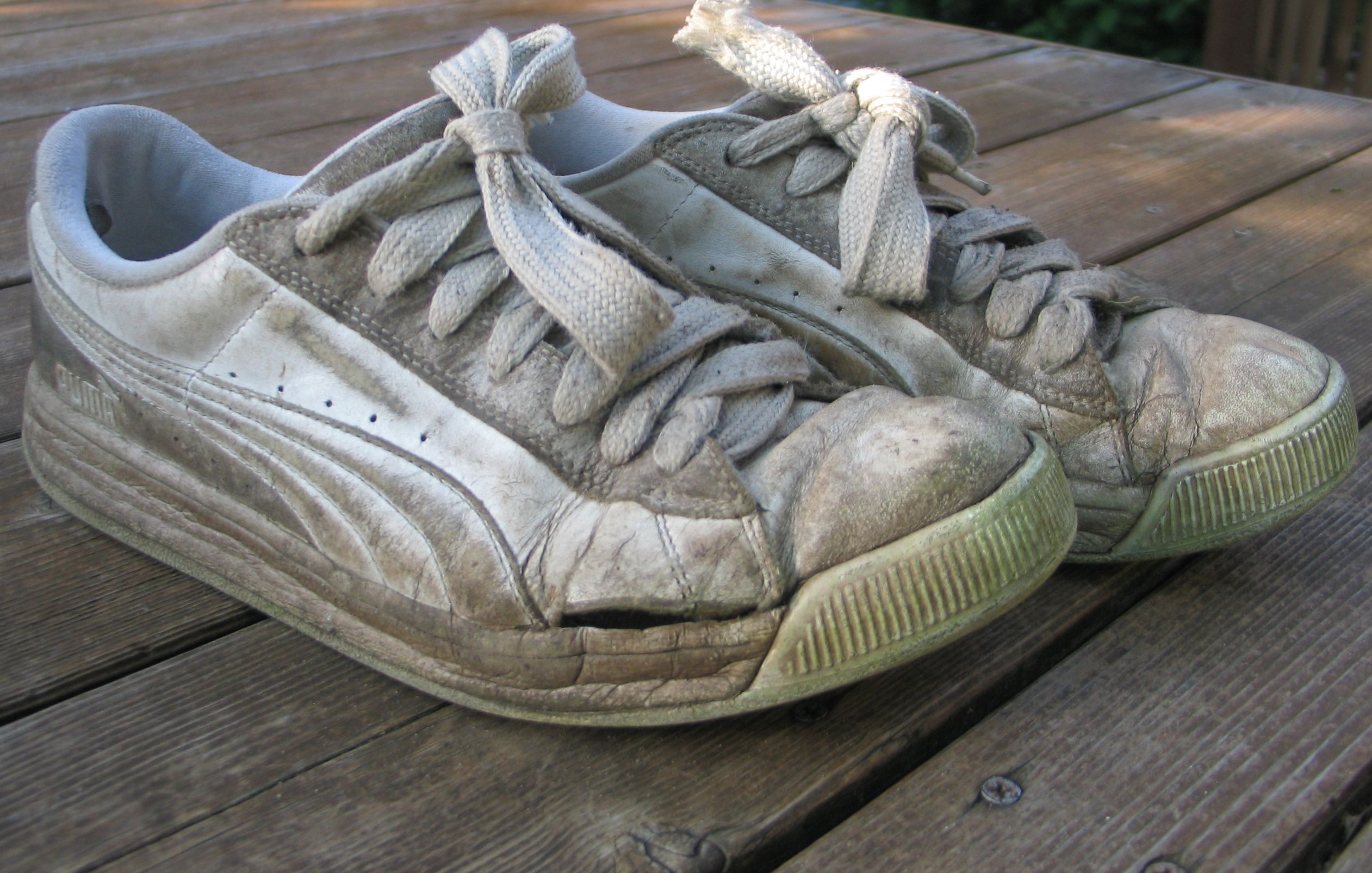
Instead, I decided to ruin my footwear by puttering around the yard. My favorite shoes used to be gleaming white and spiffy, but pulling weeds, digging holes, picking up after the dog and mowing the lawn have given them a greenish-black tinge that could have been earned more quickly in some other, much more adventurous and tale-worthy way.

Alas, I will probably never make it to Jeddah. But following Salopek has given me something approximately like a real experience of being in a place. Of course it would be better to actually GO. But absent that, this will do.

What city would you like to walk across?

The Thing With A Tail

Today’s post comes from perennial sophomore Bubby Spamden.

Hey Mr. C,

Wow, I just looked up from this game I’m playing with my buddy Pete and I see that the Fourth of July already happened. That’s awesome!

Things sure do happen fast when you get to be old. I remember when I was in middle school, time moved so slow – it seemed like everything took forever! Now I only feel like that whenever my dad is talking.

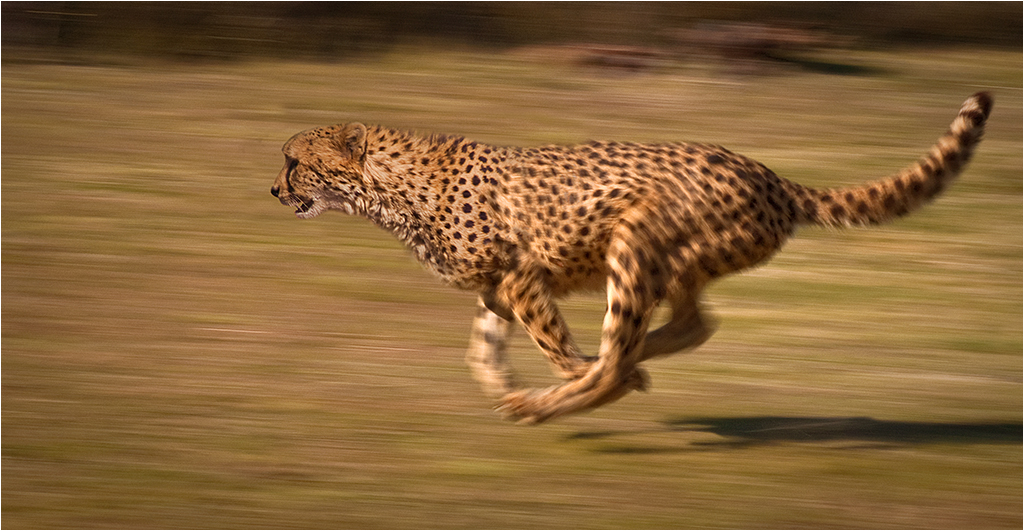
Like yesterday, when he decided to explain to me how scientists discovered that our solar system has a tail. And the way he said it was like it was really important news that should matter to everybody, even though whether or not anything has a tail is a totally meaningless unless you’re talking about a super-fast animal like a cheetah or something, because they can use their tails to keep their balance so they can run as fast of rockets when they’re trying to catch you and eat you for dinner and you have absolutely no chance of getting away.

Cheetah_chase

I’m not so sure it would be different if they didn’t have tails, but you can always hope.

Anyway, the fact that there’s a tail on the solar system is something I didn’t really care about at all, but we cut a deal that if I watched this video from NASA and then talked about it with a friend for at least five minutes, I wouldn’t have to mow the lawn this time.

He’s always trying to get me to do stuff like that.

So I said yes and watched the video and yawned all the way through it to show him I was really Not Into It, even though the thing was pretty well done and kind of interesting.

So after watching the video I called Pete (dad made me) so I could tell him what I learned, but instead I asked him which animals are cooler, the ones with tails or the ones without. He said the ones with tails are cool because that includes Lions, tigers, kangaroos and dogs, but I said the ones without tails are better because then we’re talking about octopuses, spiders, slugs and bears.

But Pete said bears do have tails, and I said no they don’t – prove it, and then we got into this huge argument.

So my dad made me hang up and told me I had to write about it instead, which is why you’re getting this letter. So there it is. The solar system has a tail. Amazing.

And now I don’t have to mow, which is awesome. I still feel like I got away with something. Kind of like outrunning a cheetah!

Your pal,
Bubby

Which animals are cooler – those with tails or those without?

Sandy Samba

Ten years ago no one would have guessed that cheesy Wisconsin would become known for it’s abundant supplies of frack-ready sand.

Cow

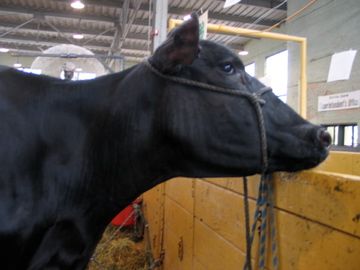
The geology of the western part of the state (and southeastern Minnesota) features reserves of silica sand, with fine, tough, spherical grains that are perfectly configured to work in the process of hydraulic fracturing, or Fracking. The sand is mixed with water and chemicals and injected into deep shale under high pressure to force open fissures that release oil and gas – a dirty, violent process that stands in stark contrast to the charming images Wisconsin is known for – gentle big-eyed cows casually secreting dairy products.

If you are an excavation specialist or a fracking contractor, the Wisconsin you see has a special allure that has nothing to do with ice cream and curds. The western part of the state is a sandy beach littered with dollars.

For some reason it made me think of this famous lustful samba, done here by the tune’s author, Tom Jobim, and Ol’ Blue Eyes himself.

This classic song transports me to a sweltering beach in Rio, which is odd because I’m not a big fan of beaches or sweltering, and I’ve never been to Rio. But with just a few word changes, perhaps it can get across a hint of the desire excavators feel when they consider places like Onalaska.

Stout and wide and slow and brown-eyed
The cows of West Wisconsin go walking
It makes me shudder
beneath each udder
there’s … sand.

Sand with grains so small and touchable
round and hard and so uncrushable
All from nature
It’s made by glaciers
this … sand.

Sand so abundant and fine it
makes me feel desperate to mine it
Here is a contract please sign it!
But I can’t tell the Mayor my goal.
He’s on someone else’s payroll.

Warm and tempting, nothing lacking
This raw material for fracking
I’ll make a killing
Each truck I’m filling
with … sand.

If you could have complete control over one natural resource, which one would you choose?

Life Under Ice

Just when we had completely forgotten about its vast potential for holding deep mysteries, Antarctica’s sub-glacial Lake Vostok is back in the news. And I find nothing in this new information that will change the deep concern that grew out of our previous encounter with this topic.

Arctic_Ice_2

The news that Lake Vostok, hidden under ice for 15 billion years, is teeming with life, should give us pause. This is another step down the path originally imagined for this scientific story – the cinematic tale of research gone wrong where curiosity runs out ahead of prudence and rips the top off a container holding a monumental amount of trouble.

Already we have discovered that the story includes many of the stock characters from a standard sci-fi disaster – the researchers who are genuinely EXCITED to find that 95 per cent of the 3,500 some-odd DNA sequences found in the lake are associated with bacteria.

In case you’re wondering where we will find the dialog for this horror film, it is being written in the labs where they examine Vostok’s ice cores. For example, someone has already said this about the DNA findings ” … that doesn’t necessarily mean the unrecognized sequences are exotic forms of life.”

That line will be given to the first scientist to be engulfed and dissolved by the plasma-like creature that bubbles up out of his beaker while he has his back turned on it. Guaranteed.

Aside from all the obvious reasons NOT to take a big drink out of a chilled bottle of Vostok Spring, there is this – the scientists who found loads of bacteria in the submerged lake acknowledge that they only found recognizable life forms because that’s the only type of life they know how to look for.

Ergo, the life forms we have never encountered (if there are any) would still go undetected. They remain invisible until their effects become known!

And what of the more complex life forms living in the dark, slushy Vostokian bottoms? When we withdraw them from their chilly surroundings and introduce them to the modern world, there is no assurance that they will be grateful to us for doing it.

Much like the character in this James Taylor song, “The Frozen Man“.

You have been frozen in ice for one million years. Assuming your vital organs are intact (you didn’t donate them to science, did you?) would you want to be thawed out and re-introduced to the world?

Blogger Heads

I have to admit there are days when I wonder why continue to write six blog entries a week. There have been days when I’ve thought if not for the regular attendance of a troupe of dedicated Baboons, there would be little reason to keep the thread going.

cerebral_lobes (1)

Until now, that is.

A new neurological study indicates that keeping a brain active is one way to significantly impede the progress of dementia. Published in the scientific journal Neurology, this investigation found that a group of people who read regularly and were in the habit of writing letters had fewer of the physical changes (lesions, brain plaques, tangles) that go along with dementia.

And yes, they had to wait until the people the were studying had died. Then they took out their brains and examined them. Ugh. I wonder how it effects longevity to know that when you die they’re going to cut open your skull and put your brain in a jar? For me, that would be a huge incentive to stay alive.

Maybe I could get funding to study that.

Anyway, in the articles I saw on this topic, reading and writing were the only specific brain activities mentioned that could slow the advance of dementia, although the brain is such a multi-purpose instrument I’m sure there must be other ways to keep it “active”. Doing long division, for example. Or playing the piano or learning another language. How about rebuilding carburetors or memorizing state capitals? Suppose all you do is watch TV. Even trying to understand the activities of the Kardashians has to demand some neurological wattage. I would think knowing the names of all the current reality-TV stars is a remarkable achievement in the field of memory. At least I know it’s a mental workout I wouldn’t be able to do.

I’d be OK if reading and writing were the only sure things, brain-freshening-wise. I’m fortunate that I happen to like doing both, and blogging six days a week gives me a well regulated daily dose of each of these medicinal activities. Perhaps I should claim blogging-related expenses as physical therapy to prevent the build up of various bits of clutter and debris that can disable brains.

And maybe I should charge guest bloggers a surprisingly hefty fee for partaking of this brain therapy along with me, just like a clinic or a hospital would. But I can’t – I’m too kind-hearted.

Plus, I’m planning to take a couple of weeks off and I need the help.

So if you have an idea for a guest post, please send me a note and let me know what you want to write. I’ll write back to confirm the assignment, and you’ll feel better instantly. The deadline for finished pieces is July 15th – one week from today.

Write to me at connelly.dale@gmail.com, and give your melon the workout it deserves. A post a day keeps dementia at bay!

Would you donate your dead body to science? Why or why not?

Until now,