
We have a couple of new staff at work who are from larger metro areas and never lived in a rural or remote area before. They never realized how much they had to learn when they moved here.
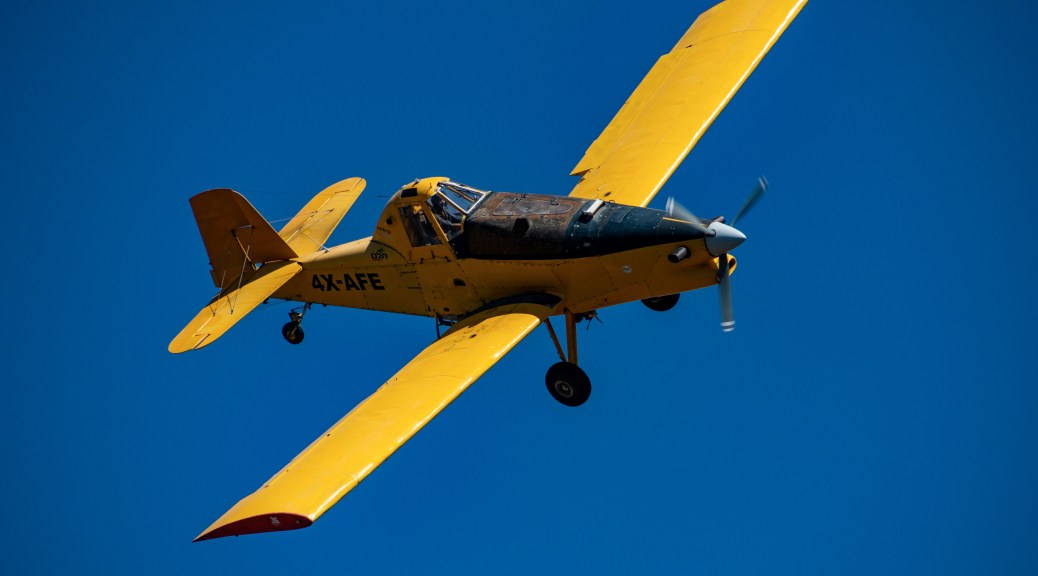
One of our newbies, a social worker, came to the office quite upset last summer after seeing what she thought was a suicidal or intoxicated airplane pilot. She lives about 20 miles outside Dickinson in an even smaller community than ours, and while driving to work saw this little yellow airplane fly under and over power lines and dive close to the ground, then suddenly soar upwards. She wondered if she should phone the sheriff or the FAA. We had a lot of fun telling her about crop dusters. She also encounters coyotes in her backyard, a real shock.
Our new clinical director is surprised by the interconnectedness of us all. She was amazed to hear that one of our mental health skills trainers, a 40 year old mother of two, used to babysit for my kids when she was in high school, that her mother worked as a support staff at our agency for 30 years, and that her aunt is a social worker and one of our crisis staff. Then she learned that the parents of one of our staff were foster parents who adopted some of their foster children who I ultimately saw for therapy.
We tell our urban transplants that these new phenomena are just small town stuff, and we are so glad they are here and we will be happy to help them. It isn’t easy to go to an unfamiliar culture. I remember all the new things I had to learn when I moved to Canada, and I know that any of my rural coworkers would need to learn lots of new things if they moved to Minneapolis, or Seattle, or New York. Big town stuff is also tricky to navigate.
What would you educate newcomers about if they moved to your community? What would be harder for you to adjust to-rural or urban?













 Trail Baboon