Husband and I like to grow shell-out beans in the garden. These are beans that form in their pods and you can let dry and then shell and store, unlike green beans that you eat whole when they are fresh. We use them in soups and stews. We have grown several varieties over the years, like Vermont Cranberry Beans and Good Mother Stallard. We particularly like shelly beans, as they are sometimes called, because some of them are pole beans and they save space in the garden since they grow vertically. One problem with the more popular varieties, though, is that their growing season is a little too long to reach maturity here before frost.
The Mandan, Hidatsa, and Arikara Indians were agricultural tribes who lived (and still live) on the Missouri River in North Dakota. They liked to grow shell beans, too. Many of their bean varieties were collected by horticulturists in the early 20th Century and can still be bought from certain seed companies. Buffalo Bird Woman’s Garden published in 1917 by anthropologist Gilbert Wilson, is his account of a famous Hidatsa gardener’s advice and stories about gardening in the Northern Great Plains. She grew huge gardens of corn, squash, beans, and sunflowers on the rich bottomlands near the river. All that rich land was flooded with the building of the Garrison Dam and the development of Lake Sakakawea, and the members of the three tribes were moved to family allotments on the Fort Berthold Indian Reservation. That land isn’t very fertile at all.
We grow Hidatsa Shield Figure Beans, which are fat, creamy white pole beans, and Hidatsa Red Beans, which are smaller, red bush beans that get to be 3 feet tall and need a fence to grow against or else they sprawl all over. Both have shorter growing seasons. I have never seen either of the seeds for sale locally or on the Reservation. We got them from Seed Savers Exchange. Our native friends from the reservation don’t seem to be very familiar with them.
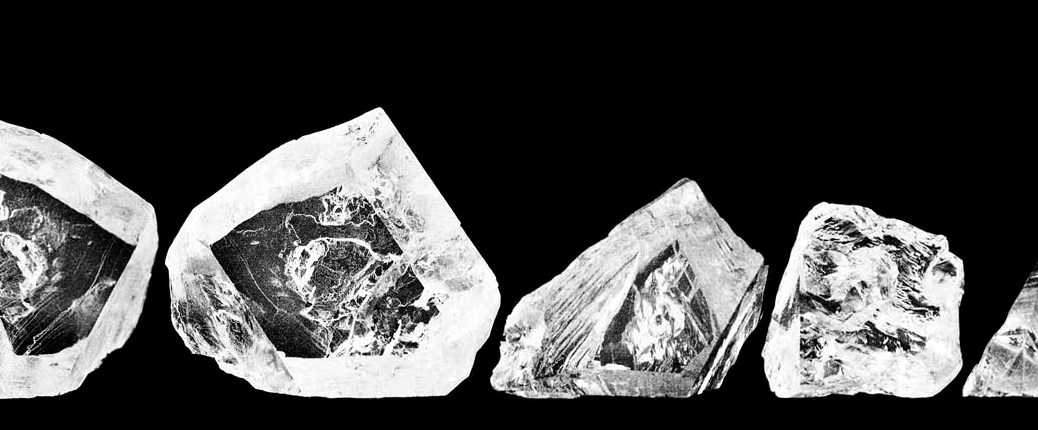
I mentioned to our Arikara friend Bruce what beans we were growing, and he said he got some authentic Ree Beans (another word for Arikara) from a woman Elder some time ago. You can see them in the header photo. He tried to plan them on his allotment, but the soil just wasn’t good enough. He wondered if we would be willing to try them in our garden. I said we would be very happy to. They are brown bush beans that seem to be very similar to Arikara Yellow Beans that I see in seed catalogs. I told him that we will have a bean feast next fall with him and his wife, and our Hidatsa friend, Leo. I may have to refer to Buffalo Bird Woman for some recipe ideas.
Got any good bean recipes? What are you looking forward to doing with friends once we can gather? How are your garden plans coming along?


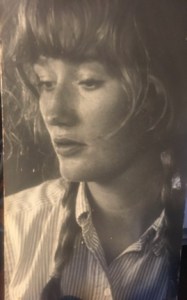
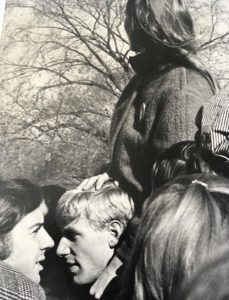 “The police were good, but it really was quite frightening to see the numbers of them, the sight of the helmets, shields, gas masks, belly clubs, mace, shot guns in America.”
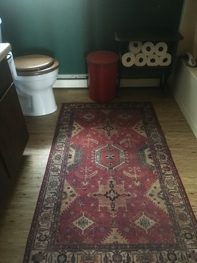 New bathroom floor, rug, and toilet
 gelding who lived here for a year, went to live with a grandfather who wanted to teach his grandchildren to ride.) Also taking riding lessons again! What fun!
 New hens: two “Buffy” Orpingtons, one “Heidi” Hybrid & three “Little (Rhode Island) Red Hens.” Plus New (Buff Orpington) rooster, “Neil,” who has already fathered two Buffy young ones. Lovely brown eggs.
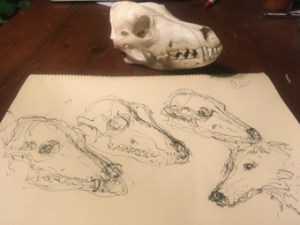 Decided to draw again – pen & ink coyote skull sketches to accompany our book club’s Zoom meeting discussing Coyote America: A Natural and Supernatural History by Dan Flores. Also bought water color brushes when I couldn’t find my old ones. First “commission”: a Scottish Highlander cow