
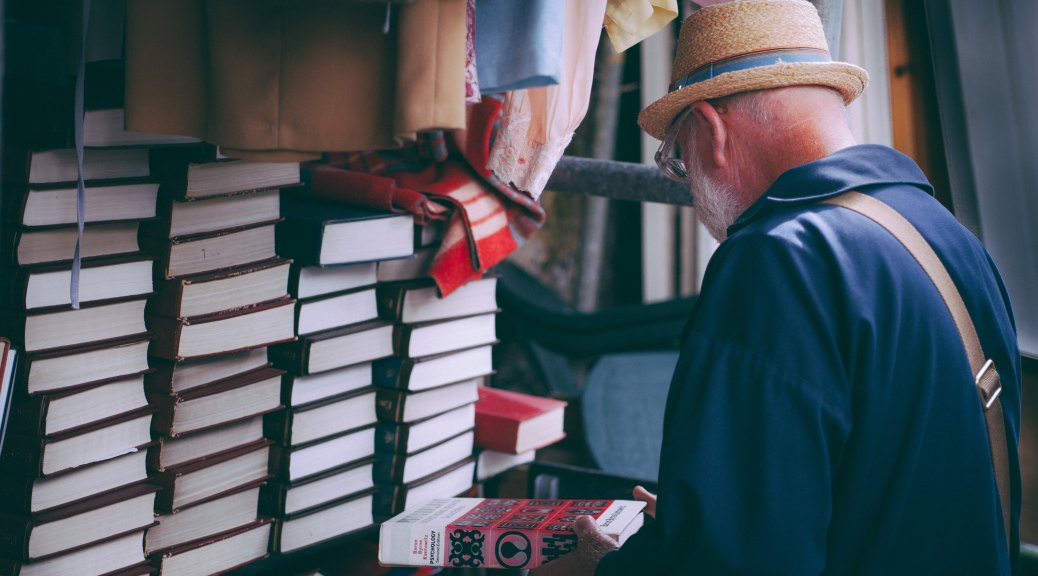
In approximately three years I will retire, and Husband and I plan to move to Brookings, SD. We have much to do before we can move, including some updates to our current home to make it easier to sell. We also have to get rid of many things we have accumulated over the years. This includes hundreds of books.
I got some really good boxes from work last week, and started filling them up with books. This was a strangely poignant activity. I only chose books I considered mine, as I don’t know which of his Husband intends to keep. I started with the ones I had purchased most recently. These were mainly books I bought for pleasure reading, not the professional ones I keep in my office at work. There also were books that my parents had in their home for years. Some were college textbooks from when they were at Mankato State in the early 1940’s. I tossed a few of those, but not without wistful regret. I hadn’t looked at them in years, and I suppose I kept them as reminders of my parents and of my childhood. It occurred to me that this task was going to be more difficult than I imagined, since we have associated emotions with many of these books.
When we have had uncertainty, instability, or grief in our lives, we seem to have relied on our books as anchors. I think that is why we bought so many over the years instead of going to the library. They provided such comfort. Our life is much different now, and we really don’t need the comfort of all of those books.
We decided to keep history books and books concerning natural history and flora and fauna (including a book on wolves by a certain Baboon). There are other, one of a kind books, that we intend to keep, as well as cookbooks. Most novels will go, unless they are particularly beloved. All children’s books will be kept. The World Book Encyclopedias from 1966 are going to the landfill. Husband perused the philosophy and religion collection at Augustana College in Sioux Falls, and feels confident he can get what he wants through interlibrary loan via SDSU’s library system. He already figured out how to apply for a guest users library card.
We intend to take our time with this project. We have a couple of years to do it. Our local library has a second hand bookstore, and we are donating our books there. They may need to expand their space by the time we are done. I just hope we can limit our book purchases in the meantime.
What can’t you live without?






 Trail Baboon